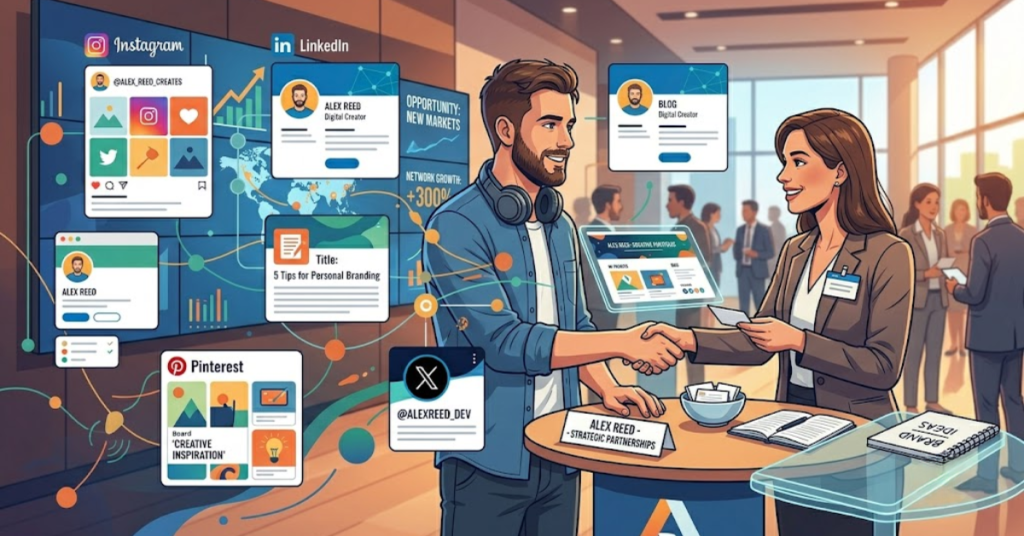
Personal Branding vs Degree: Why Your Personal Brand Matters More in 2026
For years, earning a college degree was considered the safest path to career success. While education still plays an important role, employers and clients are increasingly paying attention to something else: your personal brand.
Whether you’re a student, freelancer, entrepreneur, or job seeker, the way you present yourself online can influence hiring decisions, business opportunities, and professional relationships. In many industries, a strong personal brand helps people trust your expertise before they ever meet you.
What Is a Personal Brand?
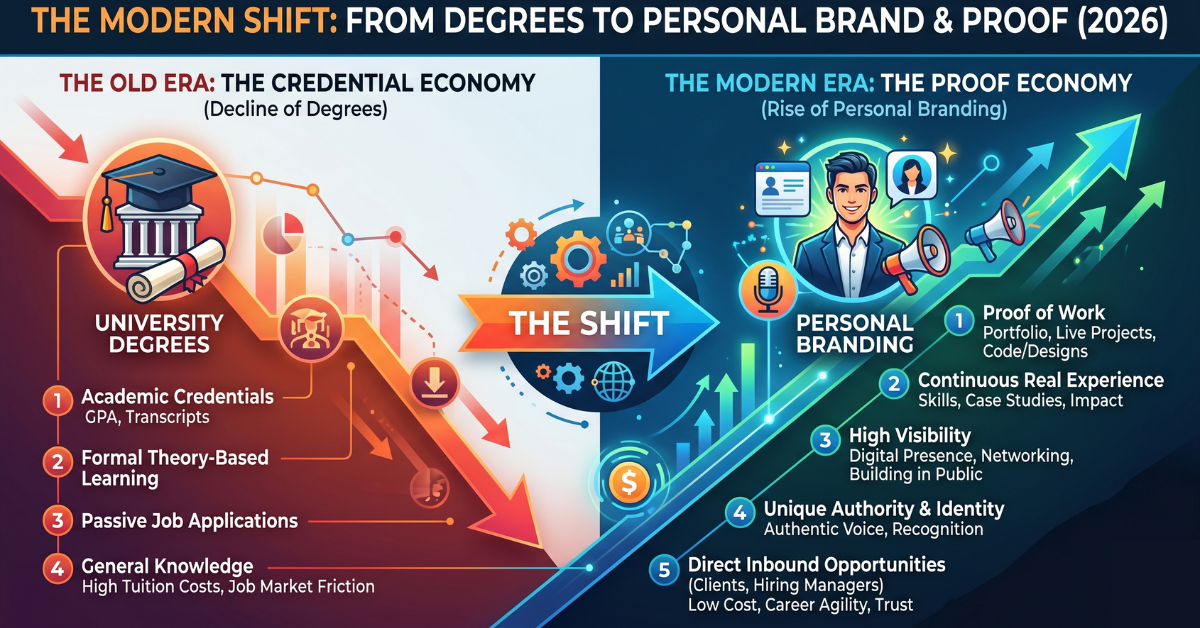
A personal brand is the unique reputation and identity you create through your skills, values, communication style, and online presence. It reflects how others perceive you professionally and personally.
Every LinkedIn post, portfolio project, blog article, or networking interaction contributes to your personal brand. Instead of leaving that perception to chance, successful professionals actively shape it.
Personal Brand vs Degree: Which Has Greater Value?
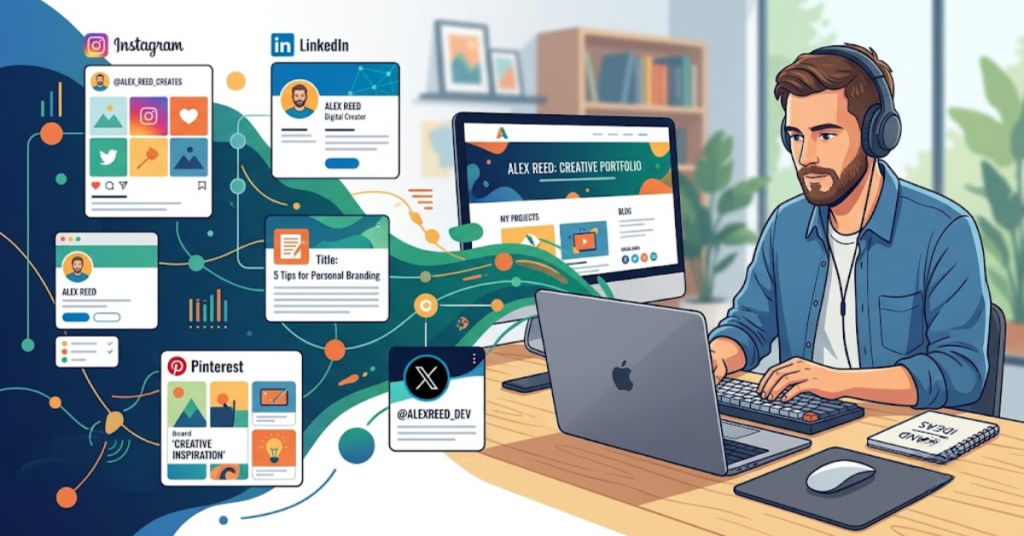
The debate around personal brand vs degree is not about eliminating education. Degrees still provide valuable knowledge and remain essential in many careers. However, in competitive fields such as marketing, technology, design, and freelancing, employers often look beyond qualifications.
A degree demonstrates academic achievement, while a personal brand demonstrates practical skills, communication ability, consistency, and credibility.
Key Advantages of Building a Personal Brand
- Increased professional visibility
- Greater trust and credibility
- Better networking opportunities
- Stronger career growth potential
- Easier access to new clients, partnerships, and job offers
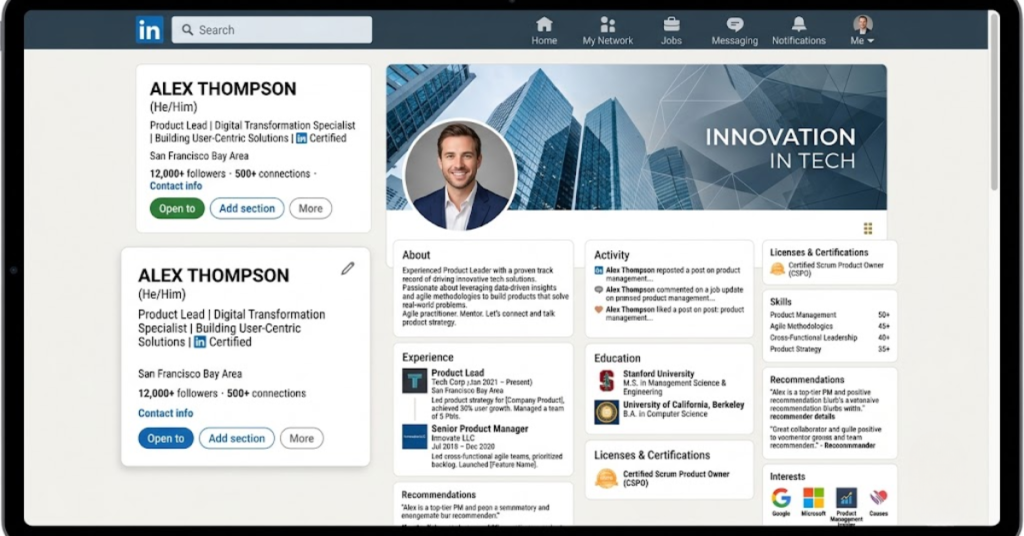
Why Personal Branding on LinkedIn Matters
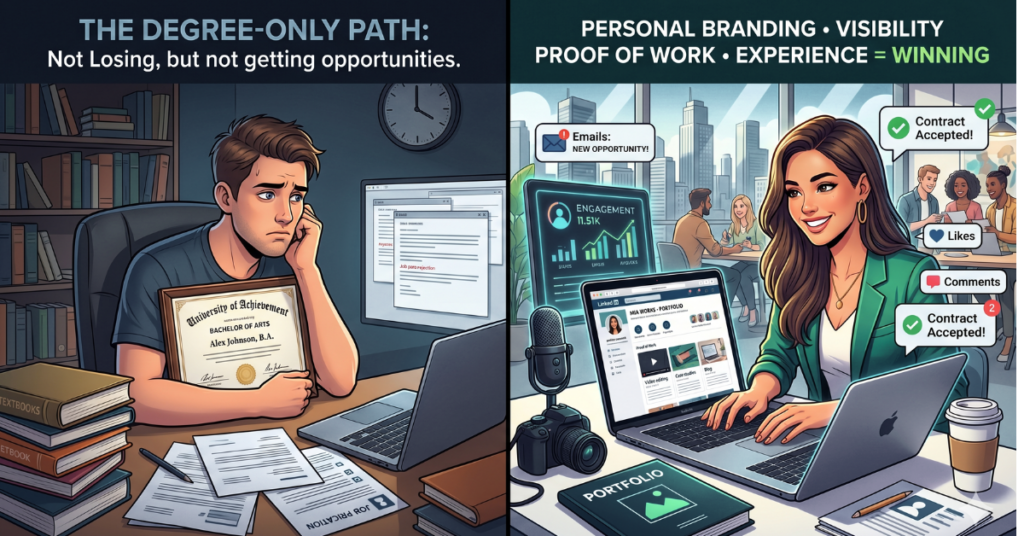
A well-developed personal brand on LinkedIn helps professionals showcase their expertise and connect with recruiters, industry leaders, and potential clients.
Many employers review LinkedIn profiles before scheduling interviews. A polished profile with consistent activity demonstrates initiative and professionalism.
Tips to Improve Your LinkedIn Presence
- Use a professional profile photo
- Write a compelling headline
- Share valuable industry insights
- Engage with your professional network
- Highlight projects and measurable achievements
How to Grow Your Personal Brand in 2026
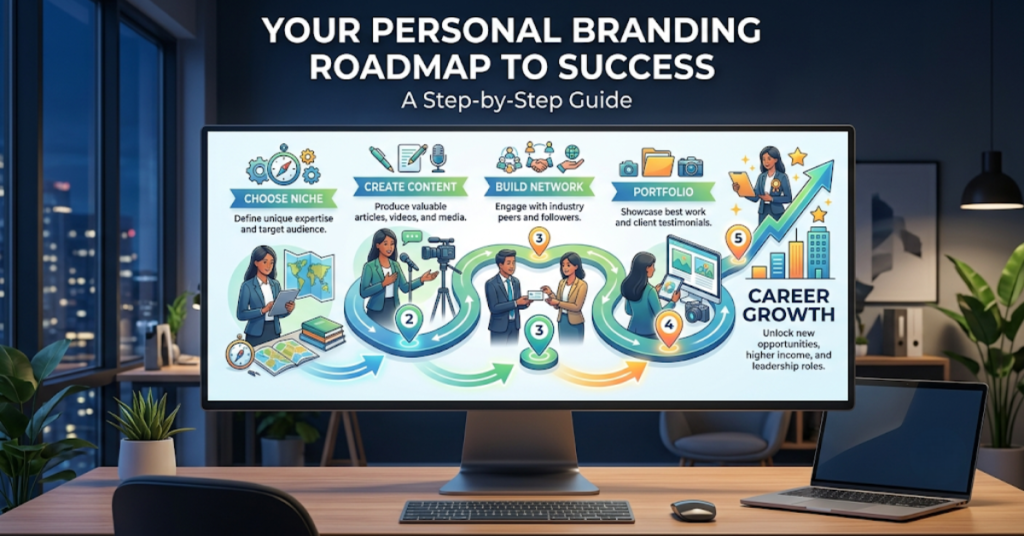
If you are wondering how to grow your personal brand, the answer lies in consistency and creating value over time.
1. Define a Clear Niche
Identify one area where you want to become known and create content around that expertise.
2. Publish Helpful Content
Share tutorials, lessons, case studies, or insights that solve real problems for your audience.
3. Strengthen Your LinkedIn Presence
Building a personal brand on LinkedIn by posting consistently and engaging authentically can significantly improve your visibility.
4. Showcase Your Work
Maintain a portfolio website featuring projects, certifications, and achievements that demonstrate your abilities.
5. Keep Learning
Continuous personal development helps you stay competitive and strengthens the expertise behind your personal brand.
Personal Brand vs Degree: A Quick Comparison
| Degree | Personal Brand |
|---|
| Demonstrates academic learning | Demonstrates practical expertise |
| Usually listed on a résumé. | Visible across your online presence |
| Earned once. | Continuously developed |
| May open opportunities | Can attract opportunities proactively |
| Focuses on qualifications. | Focuses on reputation and trust |
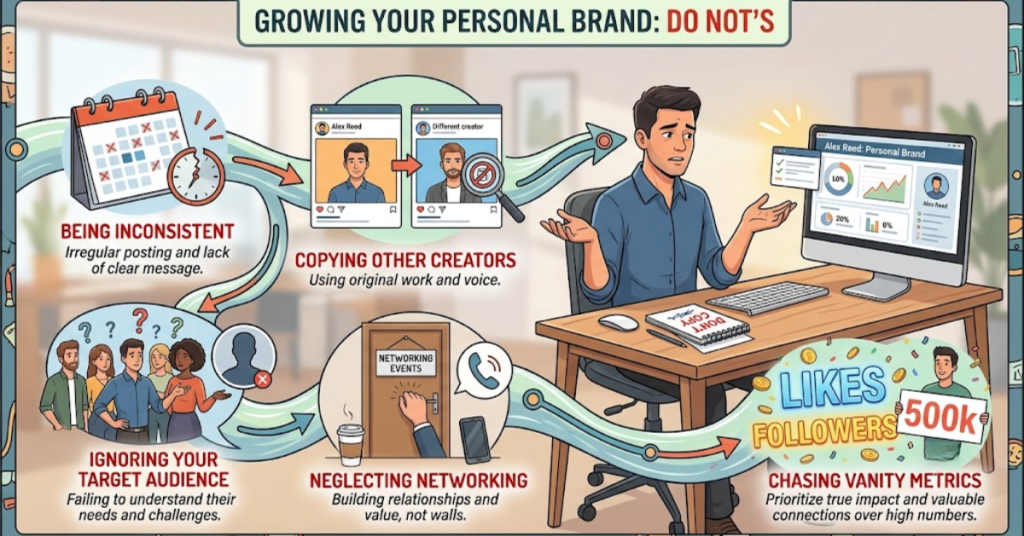
Common Personal Branding Mistakes
Avoid these mistakes while building your personal brand:
- Being inconsistent
- Copying other creators
- Ignoring your target audience
- Neglecting networking
- Chasing vanity metrics instead of value
Frequently Asked Questions
Is a personal brand more important than a degree?
It depends on the profession. In many digital careers, a strong personal brand complements formal education and can help differentiate candidates.
Can students build a personal brand?
Yes. Students can begin by creating projects, optimizing their LinkedIn profiles, and sharing what they learn.
How long does it take to build a personal brand?
Building trust and recognition typically takes months of consistent effort, but small actions compound over time.
Final Thoughts
The discussion around personal brand vs degree reflects how career success is changing. While degrees remain valuable, employers increasingly appreciate professionals who demonstrate expertise, communicate effectively, and build trust through their online presence.
By investing in your personal brand, strengthening your LinkedIn profile, creating valuable content, expanding your network, and showcasing your work, you position yourself for greater opportunities in 2026 and beyond.